Blog · Business · May 26, 2011
Deciphering Google and Square’s Announcements
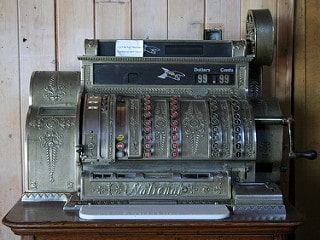
Here’s a quick analysis of the news and how it’s likely to affect both consumers and business owners in the near and long term.
Google Announcement: NFC All the Way Baby
It’s been public knowledge that Google and other big players like Apple have taken an interest in NFC technology (Near Field Communications). Essentially, this technology allows a small chip to be embedded in cell phones which has the ability to, when activated, perform actions like paying for a transaction.
How it would work: Consumers would walk into stores, pick out some items, and then instead of swiping their credit card at the register, they would just wave their NFC chip embedded phones over a device that would recognize the chip, and payment would be subtracted from the consumers’ bank account (among other options). Google Wallet is set to have many other consumer and business friendly features such as Google Offers, daily deals competing with the likes of Groupon and LivingSocial.
Success factor: With Android phones outselling any other types of phones in the US at 53% market share, Google is in a sweet spot to make this NFC technology both relevant and effective. So far, Google has signed on a few major retailers such as Macy’s, American Eagle, and Subway to test it out. NFC has long been lauded and is succesful in many other countries, however, it will take massive popular adoption to make the play Google envisions: a new payment network all their own.
Square Announcement: Use an iPad as a Register and Keep Tabs Easily
On Monday, Square released its Card Case and Register products which enable businesses to use iPads as Point of Sale (POS) systems and consumers to use their iPhones to easily pay for purchases. No more do business owners have to shell out thousands of dollars in cash to buy fancy registers nor deal with the hassle of complicated systems. Square’s easy to use technology lets customers open tabs and pay through a mobile application.
How it would work: Assuming both business and customer have access to the respective Square product, the customer would have access to a virtual wallet that has the ability to create multiple “tabs” at participating vendors. When a customer has an open tab and wants to make a purchase, the business simply pulls up a list of who has open tabs nearby and selects the customer’s name from a list. The vendor initiates the transaction and emails the receipt to the customer. Bada bing, bada boom.
Success factor: Square’s new technology is being used in 50 businesses across the US. The company is growing at lightning speed, but still has a long way to go before the rapid adoption needed to make the Register/Card Case product successful. Also, the system has its limitations for customers who do not have smart phones or want to pay with cash. However, both new businesses and mom and pop’s shops should be really excited about how easy and cheap accepting credit cards has just become with Square.
Are Square and Google really competing?
Not really. In the grand scheme of things, they are playing in the grand arena of mobile payments, but the arena has enough room for more than one winner. Google’s scale and intentions are clear in the fact that they will have rapid customer adoption using their ubiquitous mobile platform and big name retailers. They are going from the top of the pyramid to the bottom, while Square (quite possibly perceived as the feisty underdog) has an upward battle ahead. Square will capture the hearts of smaller businesses while Google may capture the business of larger vendors.
Fighting a chargeback, or paying too much?
The chargeback tool works with any processor. The statement audit is free.